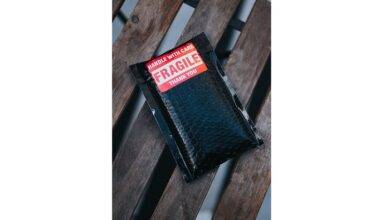
Packages fly across the country overnight now. Your order from yesterday shows up tomorrow morning. Customers got spoiled by this speed, and there’s no going back. But here’s the catch. Fast shipping breaks stuff. Companies shipping glass, electronics, or medical gear lose sleep over this problem. Racing against competitors means moving products faster. Yet one wrong bump destroys everything. Finding the sweet spot between quick delivery and safe arrival keeps getting trickier.
Understanding Modern Shipping Challenges
Packages take beatings you wouldn’t believe. Watch a sorting facility sometime. Boxes tumble down chutes. Forklifts stack them like building blocks. Delivery trucks get bumpy on railroad crossings. Temperature plays villain too. Materials expand and contract. Adhesives fail. Electronics hate these swings.
People add chaos to the mix. Warehouse workers hustle to hit numbers. Drivers toss packages to save seconds. Nobody means harm, but accidents happen. That “Fragile” sticker? More like a suggestion than a command. Business pressures mount. Free shipping reduces profit. Speedier delivery incurs higher costs. Customers return broken goods and post negative reviews. Companies must decide how much to spend on protection versus repairs.
Smart Packaging Solutions
Forget those foam peanuts that stick to everything. Today’s packaging plays three-dimensional chess with physics. Engineers measure drop angles like golf pros studying putts. They calculate vibration frequencies. Compression forces get mapped out. Computers run thousands of virtual drop tests before anyone touches actual foam.
Custom-molded inserts changed everything. Your product nestles into a foam cocoon designed just for it. Different sections have different densities. The bottom might be rock-hard for support while sides stay squishy for impact absorption. It’s architecture, but for shipping protection.
Air cushions became the lightweight champions. These pillows weigh next to nothing empty. Inflate them, and suddenly you’ve got serious protection. Weird-shaped products? No problem. Air cushions snake around anything. After delivery, they deflate smaller than a folded napkin. Some clever companies print QR codes on them linking to assembly instructions.
Material Innovation Makes the Difference
Packaging materials have been getting wild lately. Memory foam remembers its job even after getting squashed repeatedly. Anti-static wraps keep electronic components from frying themselves. Phase-change materials regulate temperature like tiny air conditioners.
Foam technology keeps pushing boundaries. Among the best applications of EPS, protective packaging shines brightest when precision matters most. Epsilyte creates lightweight foam solutions for shipping medical equipment affordably. The same foam protecting your new TV might guard life-saving medical devices tomorrow.
Nature’s getting involved too. Mushroom roots grow into protective packaging. Seaweed becomes stretchy film. Cornstarch peanuts vanish in water. Yesterday’s science fiction became today’s shipping department reality.
Testing and Quality Control
Protection without proof means nothing. Drop tests punish packages from every angle. Shake tables simulate eighteen-wheelers hitting pothole collections. Humidity chambers create tropical storms indoors. Crushing machines stack weight until something gives. Packages earn their stripes through survival.
Tiny sensors revolutionized shipment monitoring. These electronic tattletales record every bump, temperature spike, and moisture invasion. Damage happens? The sensor knows when, where, and how hard. This intelligence transforms packaging design from guesswork to science. Quality control never sleeps. Random packages get pulled and tortured to verify protection standards. Customer feedback triggers investigations. Return rates guide improvements. Every failure teaches something valuable.
Conclusion
Speed and safety stopped fighting and started dancing together in modern shipping. Creative materials, brilliant engineering, and relentless testing produce packaging that seems almost magical. Smart companies realize protection investments pay dividends through fewer returns and happier customers. The increasing pace of supply chains and the ongoing need to protect fragile goods are driving continuous innovation in packaging solutions. What seems advanced today will appear rudimentary tomorrow, a testament to the march of progress.