Remember when cars were basically giant chunks of metal on wheels? Those days are fading fast. Manufacturing plants across America now work with materials that would have blown engineers’ minds just twenty years ago. Advanced composites mix different substances together, and the results can be wild; stuff that’s tougher than steel but weighs about as much as a coffee cup. Your smartphone probably survived a few drops already this year. Thank composite materials for that. They are why modern gadgets can be both tough and featherweight at the same time.
What Makes These Materials Special
In many ways, composites can be described as being similar to a really good sandwich. If you were to take two materials that are acceptable independently and then combine them in a stack, the outcome would be extraordinary. You might want to blend carbon fibers and plastic. You could also use ceramics, in combination with metal materials. The material that results could potentially possess a strength that is eight to ten times greater than that of conventional steel. Yet it weighs way less.
The most interesting thing about these materials is that they are not affected by the problems that typically affect regular metals. Rust? Not happening. Cracks from stress? Rarely. Manufacturers go crazy for this stuff because now they can build things that seemed ridiculous before. Car parts last longer. Planes fly more efficiently. Even your tennis racket performs better because of composites. The old rules about what you could and couldn’t build? Those went out the window.
The Manufacturing Revolution
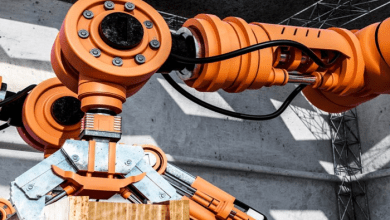
The experience of entering a modern factory could lead one to believe they have arrived on a movie set. The days of dirty assembly lines are now in the past. Instead, pristine rooms house robots that layer materials with surgeon-like precision. These machines handle composite prepregs which, according to the experts over at Axiom Materials, are basically sheets of fiber already soaked in resin, stacking them to create airplane parts, boat hulls, you name it.
Speed has changed the game completely. Projects that dragged on for months now wrap up in a week. The price tag has dropped too. That fancy composite-making equipment that cost millions? Small shops can now get similar tech for the price of a nice car. Great things happen when everyone has access to good tools. It is not only in the high-tech, expensive laboratories that innovation occurs, but also in humble garage workshops.
3D printing, which has caused significant upheaval, is another factor to consider. Traditional manufacturers might find themselves unsettled by the way these printers carefully build shapes, depositing composite materials bit by bit. Want a part with twisting tunnels inside it? The printer doesn’t care how complicated it gets.
Looking Ahead
Scientists keep cooking up crazier composite recipes. Some heal their own damage – a scratched surface fixes itself overnight. Some change with heat or electricity. This is not a fantasy. It is happening in labs now. Airlines have imagined the possibility of fuel-sipping, ultra-light aircraft. Physicians want implants that are more durable than their patients. Construction workers want skyscrapers that flex during earthquakes instead of collapsing.
Conclusion
Manufacturing has hit a sweet spot. These advanced materials have already changed how factories operate, but honestly, we’re just getting started. Prices keep dropping. The technology gets simpler every year. Soon enough, that coffee maker on your counter might use the same space-age materials as satellites. This switch from traditional metal and plastic to these new, high-tech materials is not a future concept. It is a current reality, evolving with every product.