Inventory management is an important aspect of controlling overheads where machinery lubrication is the main factor to the smooth running of the industry. Lubricants ensure that the manufacturing machinery operates and lasts long. There are, however, chances of excessive costs, stockouts, or even surplus caused by mismanagement of lubricant inventory that are all detrimental to the bottom line of a business.
Optimizing your lubricant inventory to help reduce overhead costs
Why lubricant inventory management matters in business
Machinery needs to be maintained with lubricants, and the management of such lubricants may have a direct impact on the cost efficiency of a business. Excessive inventory may build up and result in wasting great capital or insufficient inventory, which translates to delayed production. To prevent these problems, businesses will be in a better position to manage costs by optimizing the inventory of lubricants. Here’s why it matters:
- Minimizes wastage: Well maintained inventory ensures that buying of extra lubricants is avoided and that there is no wastage in discarding the old lubricants.
- ensures consistent supply: An optimized system will make sure that there is always a supply of the lubricants when they are required, hence avoiding any stoppages of production.
- Avoids stockouts: The lack of lubricants may result in expensive production wastage and equipment breakages.
How to optimize lubricant inventory management
Businesses should adopt a strategic manner in dealing with their lubricant inventory in order to minimize overhead expenses. The following steps can help:
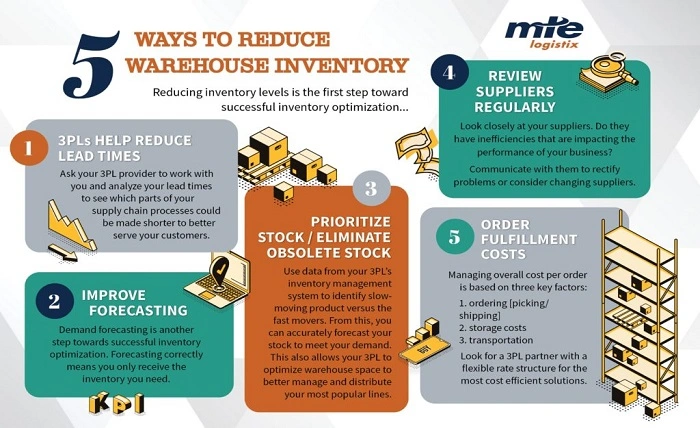
- Perform frequent audits: Every so often, audit the lubricant inventory to make sure that the inventory size is not exceeding actual consumption.
- Implement just in time ordering: Order lubricants according to the demand forecast and do not keep large stocks.
- Monitor consumption rates: With the aid of the data, learn the amount of lubricant utilized in different equipment and readjust the inventory accordingly.
- Consider bulk purchasing: Unit costs may be lower when lubricants are purchased in bulk, and this enhances long term savings where the lubricants are used frequently.
Key benefits of effective lubricant inventory management
Business advantages can be achieved in various ways through optimal lubricant inventory management. The effective management can assist here in the following way:
- Lowers storage costs: Businesses can save on the expenses of maintaining excess storage areas that can be used in housing unnecessary inventory with effective inventory management.
- Reduces capital tie up: Overstocking lubricants impairs the working capital. Through inventory optimization, other investments are possible by the business.
- Prevents emergency orders: With proper monitoring of lubricant consumption, companies will have a chance to minimize emergency orders, which are expensive and urgent.
- Improves cash flow: When the capital is not tied to large inventories of lubricant, it will enhance cash flow to your business.
Choosing the right supplier for lubrication products
Choosing a trustworthy supplier will be very important in inventory management of the lubricants. This is the way to make sure that you are working with the best supplier:
- Assess reliability: Check that the supplier is capable of supplying lubricants without any interruption in the production.
- Check quality standards: The supplier must be able to provide lubricants that are of industry standards and specifications required to operate in your equipment.
- Look for flexibility: A supplier who will flexibly change orders based on your changing requirements will assist in controlling inventory more effectively.
- Consider customer service: Customer service team is responsive and able to help with urgent orders and address any supply chain related problems.
Summary
The essential role of lubricants is that inventory control is an important factor in lowering overhead rates and guaranteeing the efficient course of business. Proper inventory management saves on cost as well as keeps the machine and the production process running smoothly.