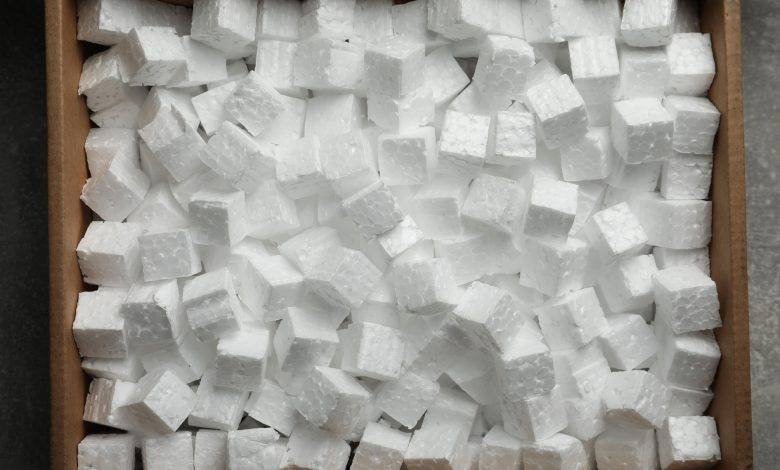
That white foam substance appears all around us in everyday life. From coffee mugs to safety packaging, expanded polystyrene (EPS) has integrated into contemporary society. Many individuals experience it throughout the day. They don’t even think twice about it. This lightweight material is popular due to three key benefits. Its minimal weight, its great durability, and its low production cost.
The Science Behind the Foam
EPS starts as steam-heated plastic pellets. The heat expands the beads, creating many air pockets. These air pockets provide EPS with its unique characteristics. The substance transforms into 98% air and merely 2% plastic. This explains why it seems so lightweight while remaining unexpectedly robust.
The air contained within serves as a natural insulator. It maintains high temperatures for hot items and low temperatures for cold items. The plastic partitions separating the air pockets offer stability and strength. This mixture creates a durable, protective substance.
Keeping Food Fresh and Safe
Dining establishments and food businesses depend significantly on EPS containers. Takeout food is kept warm during delivery because of these containers. Ice cream is kept from melting in freezers by them. And coffee shops use EPS cups because they stay cool to the touch. Food safety professionals appreciate EPS because, unlike some other materials, it doesn’t absorb liquids. It also doesn’t foster bacterial growth. The even surface is simple to clean. The slim design allows delivery drivers to transport additional orders without becoming tired. Customers save money since eateries avoid costly options that are three or four times pricier.
Protecting Valuables During Shipping
The significance of EPS packaging has increased dramatically due to online shopping. Electronics manufacturers use custom-shaped EPS molds to protect delicate products such as phones and laptops. These structures cushion impact and protect against harm during handling by shipping firms. The packaging sector relies on EPS due to its low weight in contrast to alternatives such as cardboard or bubble wrap. Shipping lighter packages is less expensive. They occupy less space in delivery vehicles as well. An expandable polystyrene supplier like Epsilyte can create packaging that fits specific products perfectly, reducing waste while maximizing protection.
Building Better Homes and Offices
Construction workers utilize EPS in ways that many individuals do not realize. Builders use EPS blocks for insulation within walls and foundations. The insulation lowers energy costs by regulating temperature. The substance resists moisture, preventing mold and decay. Some construction teams utilize EPS to produce lightweight concrete. This special concrete is significantly lighter than standard concrete yet maintains comparable strength. Workers can construct higher buildings without significantly increasing the load on the foundation.
Art, Crafts, and Creative Projects
Educational institutions and art studios appreciate using EPS because of its convenience in cutting and molding. Learners can sculpt intricate figures or design architectural prototypes. Theater companies utilize large EPS blocks to create lightweight stage props that performers can handle safely. The material absorbs paint effectively and maintains its form over time. Craft stores offer EPS in various forms, including flat sheets, round balls, and intricate shapes. Artists value that errors are inexpensive to correct because the materials are so affordable.
Conclusion
EPS thrives as it effectively addresses real-world issues. It safeguards delicate objects, maintains food at optimal temperatures, and aids structures in consuming less energy. The affordable price allows these advantages to be accessible to all, not just wealthy consumers. Although environmental issues regarding EPS disposal are important, the material’s practical benefits clarify its presence in numerous applications. By using and recycling things correctly, we can combine these advantages with environmental responsibility. EPS is expected to remain significant in everyday life as long as individuals require lightweight, protective, and cost-effective materials.